Artificial intelligence, wearable monitoring and molecular testing are expanding the tools available in women’s health, but adoption remains uneven and many claims still require careful distinction between research promise, early commercialization and routine clinical practice.
Technology Convergence
Women’s health diagnostics is attracting growing investment and broader public attention after years of relative underfunding. In 2025, Pivotal Ventures and Wellcome Leap committed $100 million toward women’s health research and development. Massachusetts Institute of Technology (MIT) launched the Female Medicine through Machine Learning initiative to deploy AI-driven discovery and detection tools. The Menopause Society announced a $10 million initiative to train a new generation of practitioners in menopause care. These commitments suggest growing institutional recognition that women’s health diagnostics has been historically under-resourced.
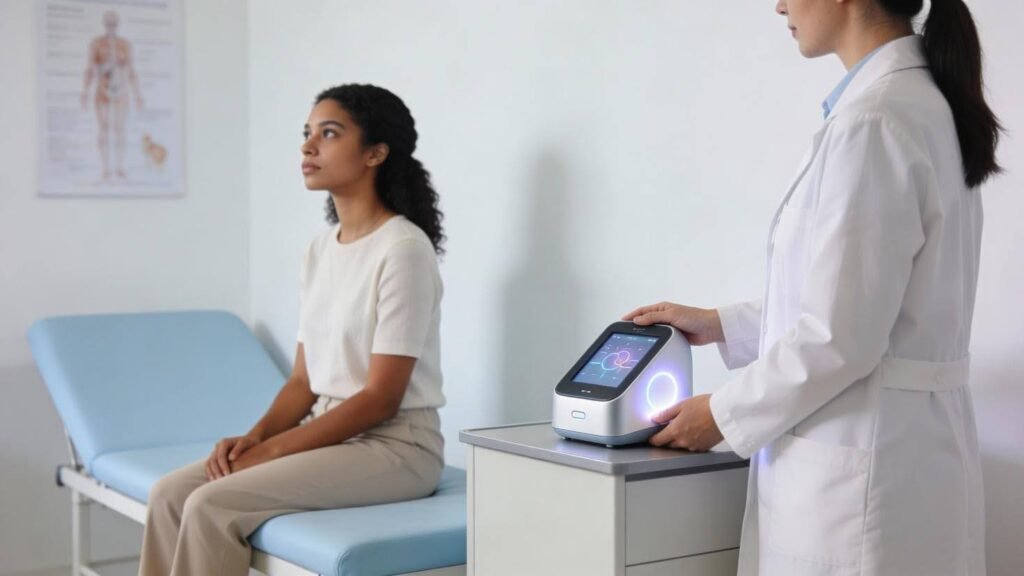
Three technology areas are especially active: AI-enabled interpretation, wearable physiological monitoring and molecular diagnostics such as liquid biopsy. Together they point toward more personalized and longitudinal models of care, though adoption timelines and clinical validation requirements vary considerably across these domains.
How AI Is Being Used in Women’s Health Diagnostics
AI is being studied and selectively deployed in areas such as obstetric imaging, pathology support, workflow documentation and risk prediction. The clearest near-term role is augmentation of clinical interpretation rather than replacement of clinician judgment.
In gynecologic oncology, machine learning models are enhancing the interpretation of screening tests and pathology slides. AI-driven image analysis can evaluate cervical cytology samples with consistency and throughput that may exceed human readers, potentially reducing both false-negative rates and time to diagnosis. Beyond imaging, natural language processing and ambient documentation tools are beginning to reduce the administrative burden on providers.
Performance claims should be anchored to validated use cases, intended users and evidence of generalizability across populations. The FDA has created new pathways for evaluating software as a medical device, but the regulatory framework continues to evolve alongside the technology.
The near-term trajectory suggests that AI will function increasingly as an interpretive layer between raw diagnostic data and clinical decision-making. Ambient documentation is one area where tangible clinic-day value is already emerging: systems that reduce clerical burden, surface relevant clinical patterns from historical records and structure information without manual retyping. These workflow improvements, while less headline-worthy than diagnostic AI, may deliver the most immediate practical benefit to women’s health providers.
Wearable Health Monitoring for Fertility and Menopause
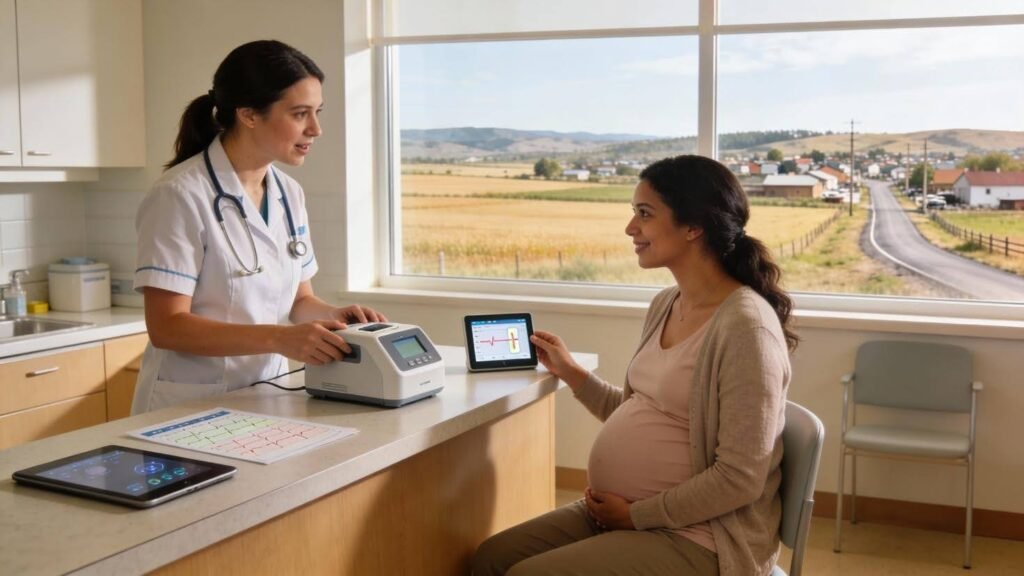
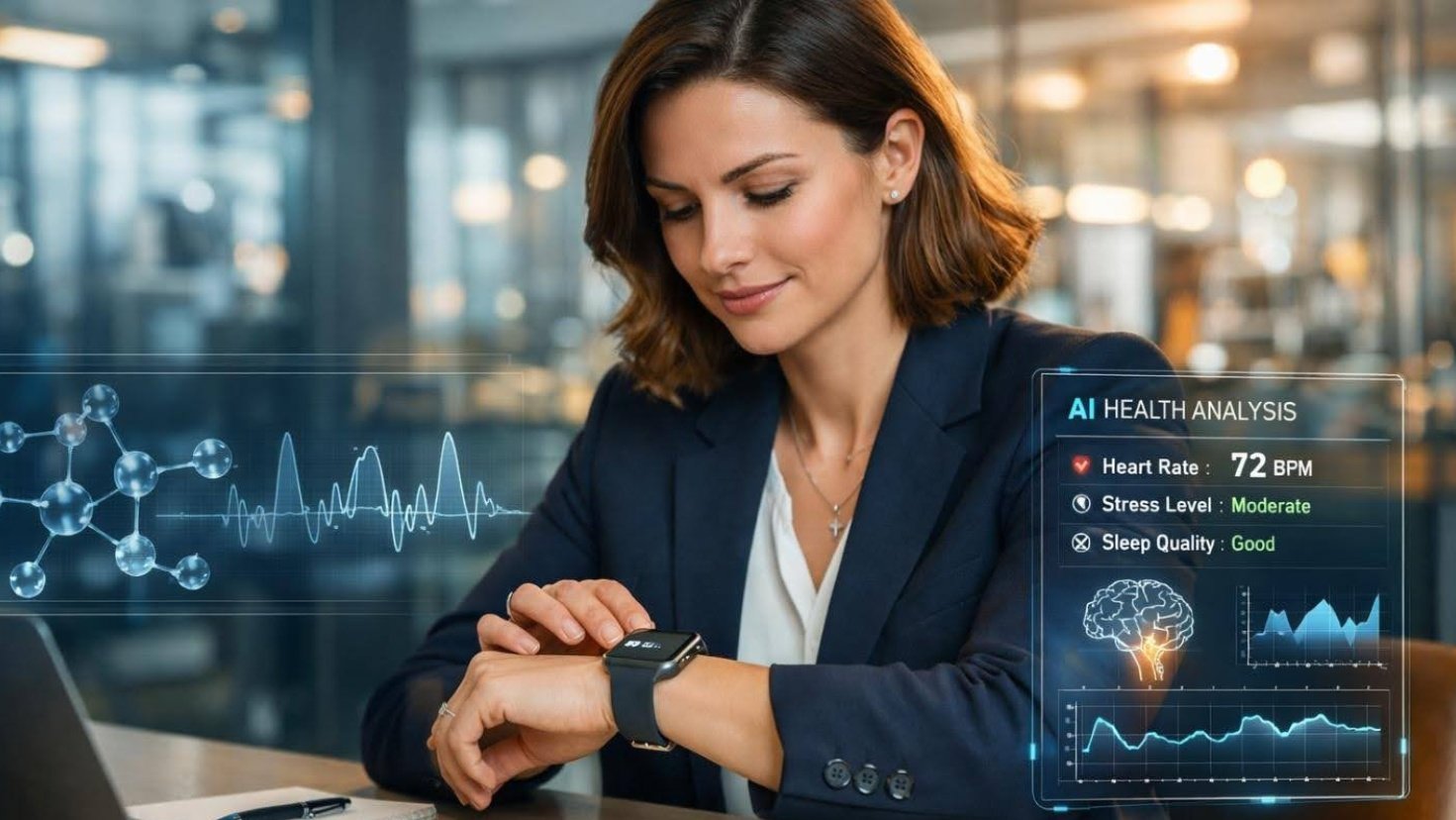
Wearables can capture trends in heart rate, skin temperature, sleep, oxygen saturation and blood pressure over time, making them relevant to fertility tracking, menopause-related symptom monitoring and pregnancy surveillance. Their advantage lies in longitudinal pattern detection rather than single-point diagnosis.
In the context of fertility, wearable-derived temperature and physiological data are being integrated with algorithmic prediction models to provide ovulation tracking that may surpass traditional calendar and symptom-based methods. Several clinical-grade devices are now generating data of sufficient quality to inform clinical conversations, though wearable-derived insights should complement rather than replace established clinical assessment.
The cardiovascular implications of menopause also merit attention. Research has indicated that women who experience early menopause may face increased cardiovascular risk. Continuous wearable monitoring during the menopausal transition could help identify emerging risk trends, though such monitoring should be understood as supplementary to, not a substitute for, established cardiovascular risk evaluation frameworks.
Some investigators are exploring the use of nontraditional biological samples, such as menstrual blood, for early-stage cardiovascular disease detection and risk stratification. While these approaches are still in early validation, they illustrate the broadening scope of women’s health diagnostics toward novel specimen types.
Liquid Biopsy and Emerging Molecular Testing
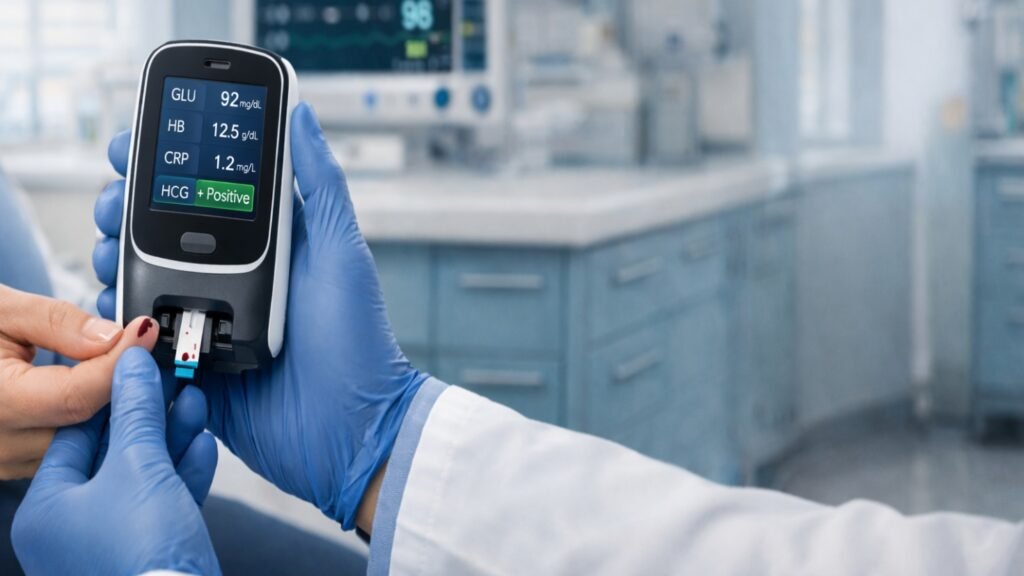
Liquid biopsy and other non-invasive biomarker approaches are generating interest in oncology and in conditions such as endometriosis. However, many women’s health applications remain in early clinical validation or limited commercial rollout.
In breast cancer detection, blood-based tests built on machine learning analysis of protein panels have shown early clinical promise as supplementary detection platforms. These approaches are under evaluation and should be described as investigational tools rather than proven replacements for established imaging-based screening unless directly supported by robust peer-reviewed clinical trial data.
For endometriosis, the longstanding diagnostic delay is well documented, though the exact average varies by study and geography. Many studies report delays of roughly 6 to 10 years from symptom onset to diagnosis. Emerging diagnostic platforms using saliva, urine and menstrual blood are being validated for detection of endometriosis-specific biomarkers, which could, if confirmed, reduce this diagnostic delay.
Menopause Diagnostics, Reimbursement Gaps, and Patient Trust
Interest in menopause diagnostics is rising as menopause is increasingly framed as a health transition with long-term cardiovascular, bone and cognitive implications rather than only a symptom-management issue. In late 2025, the FDA updated labeling for menopause hormone therapy, removing certain boxed warning language. This regulatory change may create space for more individualized approaches to menopausal care, but it does not by itself establish biomarker-guided treatment as a validated clinical standard. The distinction between a labeling change and routine clinical adoption of new diagnostic-guided protocols should be clearly maintained.
Reimbursement structures pose a recognized challenge for women’s health diagnostics. Some analyses of U.S. billing data have suggested that services predominantly used by women may be less likely to have specific reimbursement codes and that payment levels may lag comparable male-focused services in certain categories. These findings, while directionally consistent across multiple reports, warrant further verification through transparent, peer-reviewed analysis before being cited as definitive metrics.
These reimbursement dynamics are leading some diagnostic companies and digital health startups to explore direct-to-consumer, employer-sponsored and out-of-pocket business models as interim strategies while payer frameworks evolve.
Women’s health platforms also raise important privacy, consent and data governance questions because they handle sensitive reproductive, hormonal and genomic information. Companies building in this space have both an ethical obligation and a practical imperative to implement privacy-by-design architectures that give women transparent control over their health data. In practice, trust will remain a core adoption factor alongside analytical performance.
Toward Integrated Women’s Health Diagnostics
The long-term objective is a diagnostic ecosystem in which AI-powered interpretation, continuous wearable data and molecular biomarker analysis are integrated into coherent platforms that support women across their health lifecycles. From adolescence through reproductive years, the menopausal transition and beyond, this integrated approach could enable more personalized, predictive and preventive care. The building blocks are emerging; the challenges remain integration, clinical validation and equitable access.
Realizing this objective will require sustained collaboration across traditional boundaries: between diagnostic developers and pharmaceutical companies, between regulatory agencies and health technology assessors, between clinical researchers and data scientists and between healthcare systems and the communities they serve.
Women’s health diagnostics does not operate in isolation; it is shaped by policy decisions on research funding, insurance coverage, data protection and clinical guideline development. Sustained advocacy for evidence-based investment in women’s health research, combined with regulatory frameworks that balance innovation with safety, will be important to translating technological promise into measurable health outcomes.
Disclaimer: All information presented in this article is intended for general awareness and educational purposes only. It does not constitute medical, diagnostic or therapeutic advice. Consult qualified and licensed healthcare professionals for any clinical, diagnostic or treatment decisions.
References
- Thomasian NM, et al. AI-driven advances in women’s health diagnostics: current applications and future directions. Diagnostics (Basel). 2025;15(23):3076. doi:10.3390/diagnostics15233076.
- Shim K, et al. Advances in precision health and emerging diagnostics for women. J Clin Med. 2019;8(10):1473. doi:10.3390/jcm8101473.
- Society for Women’s Health Research. Looking back, moving forward: women’s health research in 2025 and the road ahead. Published December 17, 2025. swhr.org.
- Pharmaphorum. Women’s health: predictions for 2026. Published December 22, 2025. pharmaphorum.com.
- Nature (advertising feature). The innovative diagnostic technology improving women’s health. nature.com/articles/d42473-025-00313-5.
- World Health Expo. How is technology helping improve women’s health. Published January 12, 2026. worldhealthexpo.com.
- Pivotal Ventures and Wellcome Leap. Announcement of $100 million commitment to women’s health R&D. 2025. Referenced in multiple sources including The Flow Space, December 10, 2025.