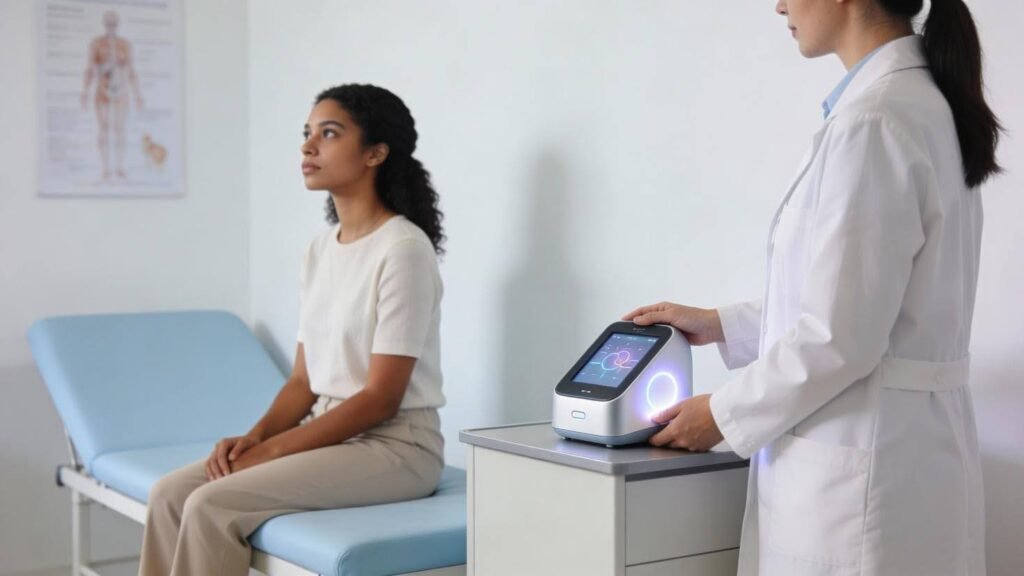
Women’s healthcare has long been challenged by delayed diagnoses, fragmented access, and prolonged uncertainty. From cervical cancer screening to endocrine disorders, traditional diagnostic pathways often rely on centralized laboratories, multi-step referrals, and extended turnaround times.
These delays are clinically significant. Late detection can limit treatment options, increase morbidity, and reduce overall quality of life.
Rapid diagnostics are reshaping this landscape. By delivering clinically actionable results within minutes or hours, these technologies enable earlier intervention, improved patient engagement, and more efficient care pathways. This represents a shift from reactive to proactive, patient-centered healthcare.
Early Detection and Clinical Outcomes
Timely diagnosis is directly linked to improved outcomes:
- Early identification of precancerous cervical lesions significantly improves survival rates.
- Rapid detection of STIs (e.g., HPV, chlamydia) enables immediate treatment, reducing transmission and complications such as infertility.
- Early hormonal imbalance detection supports better management of conditions like PCOS and thyroid disorders.
Improved Patient Experience
Diagnostic delays contribute to anxiety and disengagement from care.
- Rapid results reduce uncertainty and psychological burden.
- Same-visit decision-making improves treatment adherence.
- Immediate feedback strengthens patient–clinician trust.
Decentralization of Diagnostics
Point-of-care (POC) testing enables care delivery beyond centralized labs:
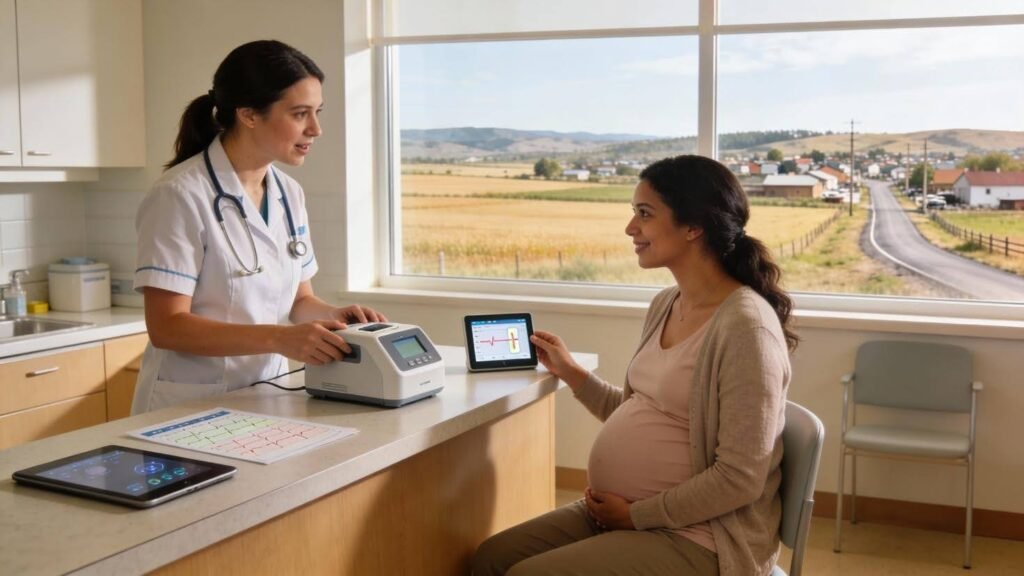
- Primary care clinics and community settings gain diagnostic capability.
- Home-based testing improves accessibility and privacy.
- Resource-limited settings benefit from reduced infrastructure dependency.
Read More: Importance of Point-of-care (POC) Testing
Key Technologies Driving Rapid Diagnostics
Point-of-Care (POC) Platforms
Portable devices capable of delivering rapid, on-site results:
- Lateral flow immunoassays for hormones and infectious diseases.
- Microfluidic systems for multiplex biomarker detection.
- Cartridge-based molecular platforms for nucleic acid testing.
Example: A clinic-based HPV POC test delivering results within an hour enables same-day counseling and referral.
Molecular Diagnostics and Miniaturization
Advances in nucleic acid technologies are reducing turnaround times:
- PCR and isothermal amplification adapted for rapid platforms.
- Emerging compact sequencing tools for targeted mutation detection.
- Applications in oncology, infectious disease, and inherited conditions.
Artificial Intelligence and Data Interpretation
AI enhances diagnostic accuracy and clinical utility:
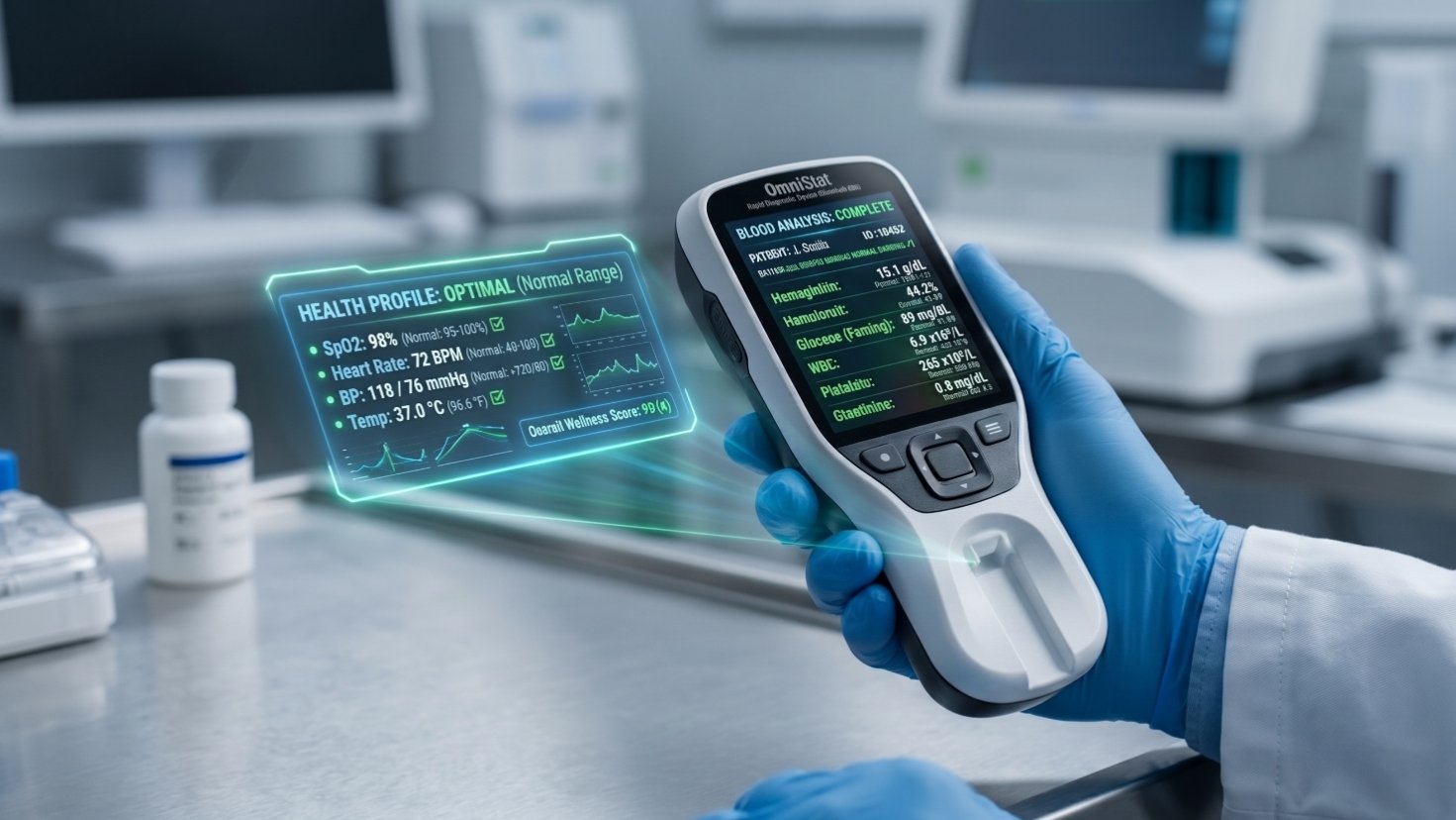
- Real-time analysis of biomarker patterns.
- Risk stratification based on multi-parameter data.
- Clinical decision support for triage and treatment pathways.
Example: AI-assisted interpretation of POC inflammatory markers to guide early intervention in pelvic inflammatory disease
Biosensors and Wearable Devices
Continuous, non-invasive monitoring is becoming feasible:
- Hormonal tracking for fertility and menstrual health.
- Physiological monitoring for chronic conditions (e.g., endometriosis).
- Integration with mobile health platforms for longitudinal data analysis.
Read More: Diagnostics Beyond the Clinic: AI, Wearables and Liquid Biopsy
Clinical Applications in Women’s Health
Oncology
- Liquid biopsies using circulating tumor DNA (ctDNA) for early detection and monitoring.
- Rapid HPV testing for cervical cancer screening programs.
Reproductive and Sexual Health
- Rapid STI diagnostics enabling same-visit treatment.
- Hormone panels supporting fertility planning and prenatal care.
Chronic Disease Management
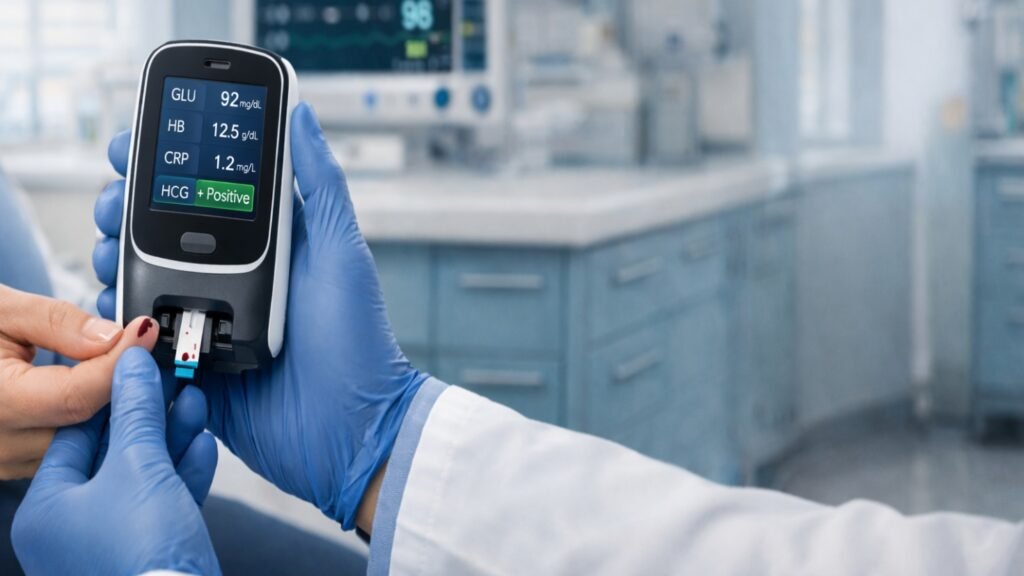
- POC monitoring of glucose, CRP, and autoimmune markers.
- Personalized management of inflammatory and metabolic conditions.
Implementation Challenges and Considerations
Regulatory Validation
- Robust analytical and clinical validation is essential.
- Performance must be consistent across diverse populations.
- Alignment with regulatory frameworks (FDA, EMA, WHO PQ) is critical.
Data Security and Privacy
- Increased data generation requires secure handling and storage.
- Compliance with data protection regulations (e.g., GDPR-equivalent frameworks).
- Transparent policies on data ownership and usage.
Workforce Training
- Clinicians must be trained in both device operation and data interpretation.
- Integration of AI outputs into clinical workflows requires standardization.
- Continuous education is needed as technologies evolve.
Cost and Reimbursement
- High upfront costs may limit adoption.
- Value-based reimbursement models are needed to reflect long-term benefits.
- Economic evaluations should consider reduced complications and improved outcomes.
Conclusion
Rapid diagnostics are redefining women’s healthcare by enabling earlier detection, faster decision-making, and broader access to care. The integration of POC technologies, molecular diagnostics, and AI-driven insights supports a transition toward personalized and preventive medicine.
To fully realize this potential, healthcare systems must address regulatory, economic, and implementation challenges while ensuring equitable access. With the right frameworks in place, rapid diagnostics can significantly improve health outcomes and empower women to take an active role in managing their health.
Disclaimer:
This article is for educational purposes only and does not constitute medical and/or clinical advice. Always consult a qualified healthcare provider for diagnosis and treatment of hormonal imbalances and medical conditions.
References
- Smith AB, Jones CD. Rapid diagnostics in gynecological oncology: A review of current methodologies. J Med Res. 2023;15(4):451–460.
- Chen L, Wang Y. The role of AI in interpreting point-of-care biomarker data for chronic disease management. Int J Med Sci. 2024;12(1):112–125.
- World Health Organization. Global strategy on cervical cancer screening. WHO Press; 2022.
- Miller R, Davis S. Miniaturized NGS platforms for personalized genetic risk assessment in women. Clin Gen. 2023;30(2):18–25.