
Stress affects women in unique ways. When stress becomes chronic, it doesn’t just cause fatigue—it can disrupt hormones, affect mood, and drain emotional reserves. This happens through a complex interaction between the stress response system and reproductive hormones.(1)
Many women experience hormonal imbalance symptoms but don’t realize stress is a contributing factor. Understanding this connection can help in taking steps to restore balance and improve well-being.
The Body's Stress Response System
The stress response is controlled by the hypothalamic-pituitary-adrenal (HPA) axis, a communication network linking the brain and adrenal glands. When a person faces stress, this system releases cortisol, commonly known as the stress hormone.(2)
In short-term situations, cortisol helps the body respond to challenges by mobilizing energy and sharpening focus. However, modern life often involves ongoing stress, and the HPA axis wasn’t designed to handle constant activation. When stress becomes chronic, this system can malfunction, staying either overactive or becoming exhausted.(3)
How Cortisol Disrupts Reproductive Hormones
High cortisol levels directly interfere with reproductive hormones, creating a cascade of effects:
Progesterone helps promote relaxation, supports sleep, and balances estrogen. Under chronic stress, the body prioritizes making cortisol over progesterone, a phenomenon researchers call the ‘pregnenolone steal.’(4) High cortisol can also block progesterone from working properly in cells, even when levels appear normal.
Estrogen plays a key role in mood regulation, cognitive function, and stress response. Studies show that psychological stress reduces estrogen levels, which can lead to mood swings, sleep problems, and difficulty processing emotions.(5,6) Research indicates that low estrogen phases make traumatic memories more intrusive, while higher estrogen supports better emotional regulation.
Testosterone and DHEA are important for energy, muscle mass, metabolism, and mental clarity. Chronic stress suppresses both, contributing to fatigue, weight gain, and reduced motivation.(7)
Read: Diagnostics Beyond the Clinic: AI, Wearables and Liquid Biopsy
The Impact on Mental and Emotional Health
When hormones fall out of balance due to chronic stress, the effects on mental health can be significant. These changes reflect real alterations in brain chemistry and hormone levels.
Research links overactive HPA function with depression and anxiety.(8) Women with depression often show elevated cortisol levels, particularly those with anxiety disorders. The combination of high cortisol and low progesterone creates conditions that favor mood disorders, since progesterone normally has calming, antidepressant-like effects.(9)
High cortisol also affects memory and concentration through its impact on the hippocampus, a brain region important for learning and emotional processing. This explains the brain fog and difficulty focusing many women experience during stressful periods.(10)
The loss of progesterone’s calming effects combined with reduced estrogen’s mood-stabilizing properties makes women more emotionally reactive and less able to regulate strong feelings. These are biological consequences of hormonal disruption, not personal failings.
Stress Throughout the Menstrual Cycle
The effect of stress varies depending on menstrual cycle phase. Studies show that cortisol responses are smaller during the follicular phase (when estrogen and progesterone are low) and larger during the luteal phase (when both hormones peak).(11) This is when premenstrual symptoms often worsen.
During perimenopause and menopause, declining estrogen makes women more vulnerable to stress effects, intensifying anxiety, hot flashes, and sleep disturbances. Early life stress can also make women more susceptible to hormonal imbalances later in life.(12)
Testing Hormone Levels
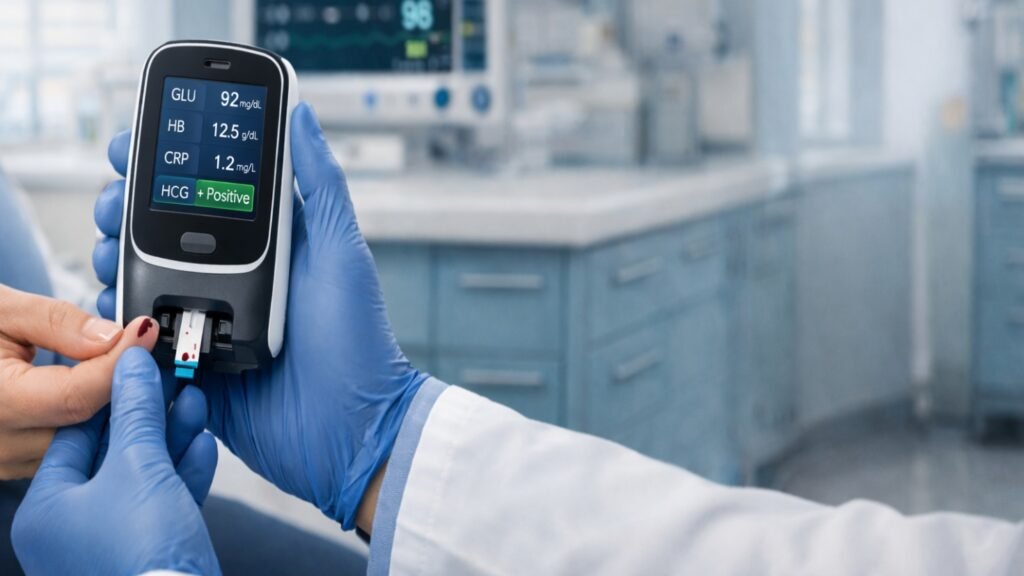
When hormonal imbalance is suspected, testing can provide clarity. Salivary cortisol testing has become a standard method because it measures the active form of cortisol the body can use, unlike blood tests that measure total cortisol.(13) Samples are collected at home at multiple times throughout the day, providing a complete picture of stress hormone patterns.
Comprehensive hormone panels can measure sex hormones (estrogen, progesterone, testosterone, DHEA), stress hormones, and their metabolites. Different testing methods serve different purposes—saliva for free hormones, blood for total levels, and urine for metabolism patterns.
Read more: Biomarkers in Women’s Reproductive Health
Restoring Balance: Evidence-Based Strategies
While stress cannot be eliminated completely, women can significantly influence how their bodies respond to it:
Stress management practices like meditation, yoga, and breathing exercises can help normalize HPA axis function and reduce cortisol.(14) Setting boundaries, maintaining social connections, and engaging in moderate physical activity all support healthy stress responses.
Quality sleep is essential. Even partial sleep deprivation raises cortisol levels the following evening.(15) Aim for 7-9 hours nightly with consistent sleep times, reduced evening screen time, and morning light exposure to support natural rhythms.
Nutrition provides the building blocks for hormone production. Focus on whole foods, quality proteins, healthy fats (avocados, nuts, olive oil, fatty fish), colorful vegetables and fruits, and complex carbohydrates. Minimize processed foods, refined sugars, and excessive caffeine.
Targeted supplements may help under professional guidance. Magnesium supports adrenal health and relaxation, B-complex vitamins aid hormone metabolism, omega-3 fatty acids reduce inflammation, and adaptogenic herbs like ashwagandha may support HPA axis function. Always consult a healthcare provider before starting supplements.
Moving Forward
The relationship between stress and hormonal health in women is complex but understanding it enables informed action. Symptoms such as fatigue, mood swings, anxiety, and brain fog are the body’s signals that something needs attention, not signs of weakness.
The disruption of the stress response, the interference with progesterone and estrogen, the effects on mood and cognition—these are measurable biological processes with real solutions. By addressing chronic stress through lifestyle changes, proper testing, and professional support when needed, women can invest in their long-term health and well-being.
The body has a remarkable capacity to heal when given the right support. The tools and knowledge are available—the path to better hormonal balance and emotional resilience is within reach.
Disclaimer:
This article is for educational purposes only and does not constitute medical and/or clinical advice. Always consult a qualified healthcare provider for diagnosis and treatment of hormonal imbalances and medical conditions.
References
- Rivier C, Rivest S. Effect of stress on the activity of the hypothalamic-pituitary-gonadal axis: peripheral and central mechanisms. Biol Reprod. 1991;45(4):523-32.
- Smith SM, Vale WW. The role of the hypothalamic-pituitary-adrenal axis in neuroendocrine responses to stress. Dialogues Clin Neurosci. 2006;8(4):383-95.
- McEwen BS. Stress, adaptation, and disease. Allostasis and allostatic load. Ann N Y Acad Sci. 1998;840:33-44.
- Lennartsson AK, Jonsdottir IH. Prolactin in response to acute psychosocial stress in healthy men and women. Psychoneuroendocrinology. 2011;36(10):1530-9.
- Nepomnaschy PA, Welch KB, McConnell DS, et al. Cortisol levels and very early pregnancy loss in humans. Proc Natl Acad Sci U S A. 2006;103(10):3938-42.
- Glover EM, Jovanovic T, Norrholm SD. Estrogen and extinction of fear memories: implications for posttraumatic stress disorder treatment. Biol Psychiatry. 2015;78(3):178-85.
- Cumming DC, Quigley ME, Yen SS. Acute suppression of circulating testosterone levels by cortisol in men. J Clin Endocrinol Metab. 1983;57(3):671-3.
- Pariante CM, Lightman SL. The HPA axis in major depression: classical theories and new developments. Trends Neurosci. 2008;31(9):464-8.
- Schiller CE, Schmidt PJ, Rubinow DR. Allopregnanolone as a mediator of affective switching in reproductive mood disorders. Psychopharmacology (Berl). 2014;231(17):3557-67.
- Lupien SJ, McEwen BS, Gunnar MR, Heim C. Effects of stress throughout the lifespan on the brain, behaviour and cognition. Nat Rev Neurosci. 2009;10(6):434-45.
- Kirschbaum C, Kudielka BM, Gaab J, et al. Impact of gender, menstrual cycle phase, and oral contraceptives on the activity of the hypothalamus-pituitary-adrenal axis. Psychosom Med. 1999;61(2):154-62.
- Heim C, Newport DJ, Mletzko T, et al. The link between childhood trauma and depression: insights from HPA axis studies in humans. Psychoneuroendocrinology. 2008;33(6):693-710.
- Hellhammer DH, Wüst S, Kudielka BM. Salivary cortisol as a biomarker in stress research. Psychoneuroendocrinology. 2009;34(2):163-71.
- Pascoe MC, Thompson DR, Ski CF. Yoga, mindfulness-based stress reduction and stress-related physiological measures: a meta-analysis. Psychoneuroendocrinology. 2017;86:152-68.
- Leproult R, Copinschi G, Buxton O, Van Cauter E. Sleep loss results in an elevation of cortisol levels the next evening. Sleep. 1997;20(10):865-70.